Modernizing a commercial facility is an important step toward improving workplace safety, efficiency, and daily operations. Whether you manage an office, warehouse, retail store, or industrial building, the right upgrades can help your business meet modern needs. From improving network connections to upgrading electrical systems and security, several services can make your facility more reliable and comfortable. Planning these improvements carefully can also reduce future maintenance costs and support business growth.
Structured Cabling: Building a Reliable Network
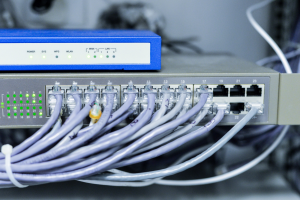
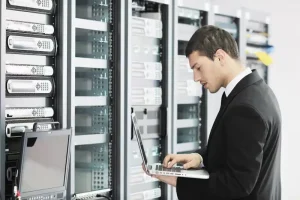
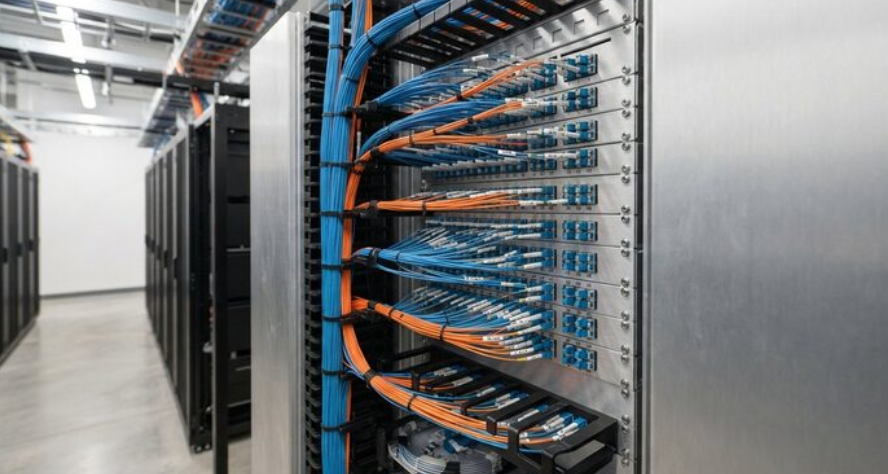
Businesses depend on stable network connections for communication, data sharing, and daily tasks. With structured cabling, a commercial facility can create an organized network that connects computers, phones, servers, and other devices. A well-planned cabling system reduces clutter, makes troubleshooting easier, and supports future technology upgrades. Professional installation also helps ensure that cables are properly arranged and meet the building’s communication needs.
Fiber Structured Cabling: Supporting High-Speed Communication
Fast and reliable internet is essential for businesses that handle large amounts of data. Fiber structured cabling provides high-speed data transmission and supports communication over longer distances. It is especially useful for large offices, industrial facilities, and buildings with multiple departments. This technology can improve network performance and help businesses prepare for growing data demands. Choosing the right fiber solution depends on the facility’s size, existing infrastructure, and future requirements.
Electrical System Upgrades: Improving Safety and Efficiency
Older electrical systems may struggle to support modern equipment, computers, lighting, and other devices. Electrical upgrades can help a facility handle its power needs safely and efficiently. A qualified electrician can inspect wiring, electrical panels, outlets, and circuits to identify areas that require improvement. Installing energy-efficient lighting and modern controls can also reduce electricity use. Regular inspections help identify potential problems before they interrupt business operations.
Security System Installation: Protecting People and Property
A modern commercial facility needs effective security to protect employees, visitors, equipment, and valuable information. Security services may include surveillance cameras, access control systems, alarm systems, and electronic entry solutions. These tools help businesses monitor important areas and manage who can enter restricted spaces. A suitable security setup should match the building’s layout and specific risks. Regular testing and maintenance are also important for keeping these systems dependable.
HVAC Services: Creating a Comfortable Workplace
Heating, ventilation, and air conditioning systems help maintain comfortable indoor temperatures and healthy airflow. An outdated HVAC system may consume excessive energy or provide uneven cooling and heating. Professional HVAC services can include system inspections, equipment replacement, ventilation improvements, and routine maintenance. Modern, energy-efficient equipment can improve indoor comfort while helping control operating costs. Proper ventilation is also important for maintaining good indoor air quality.
Plumbing and Fire Safety: Supporting Daily Operations
Reliable plumbing helps businesses maintain clean restrooms, functional kitchens, and safe water systems. Plumbing inspections and repairs can prevent leaks, water damage, and unnecessary water waste. Fire safety improvements are equally important. Updated fire alarms, emergency lighting, extinguishers, and sprinkler systems can help protect occupants and property. Businesses should ensure that these systems meet applicable safety requirements and receive regular professional inspections.
Conclusion
Modernizing a commercial facility involves more than improving its appearance. Structured cabling, fiber networks, electrical upgrades, security systems, HVAC improvements, plumbing, and fire safety all contribute to a better working environment. By assessing current needs and planning upgrades carefully, businesses can improve efficiency, strengthen safety, and prepare their facilities for future growth.